AI-Proof Jobs: 3 Careers Experts Say Robots Can't Replace

As AI continues to transform the workforce, many workers are left wondering: which jobs are safe from automation? According to experts, roles that rely on human connection, physical skills, and complex decision-making are likely to withstand the AI revolution. Here’s a look at three careers that are considered AI-proof.
Nursing: The Human Touch
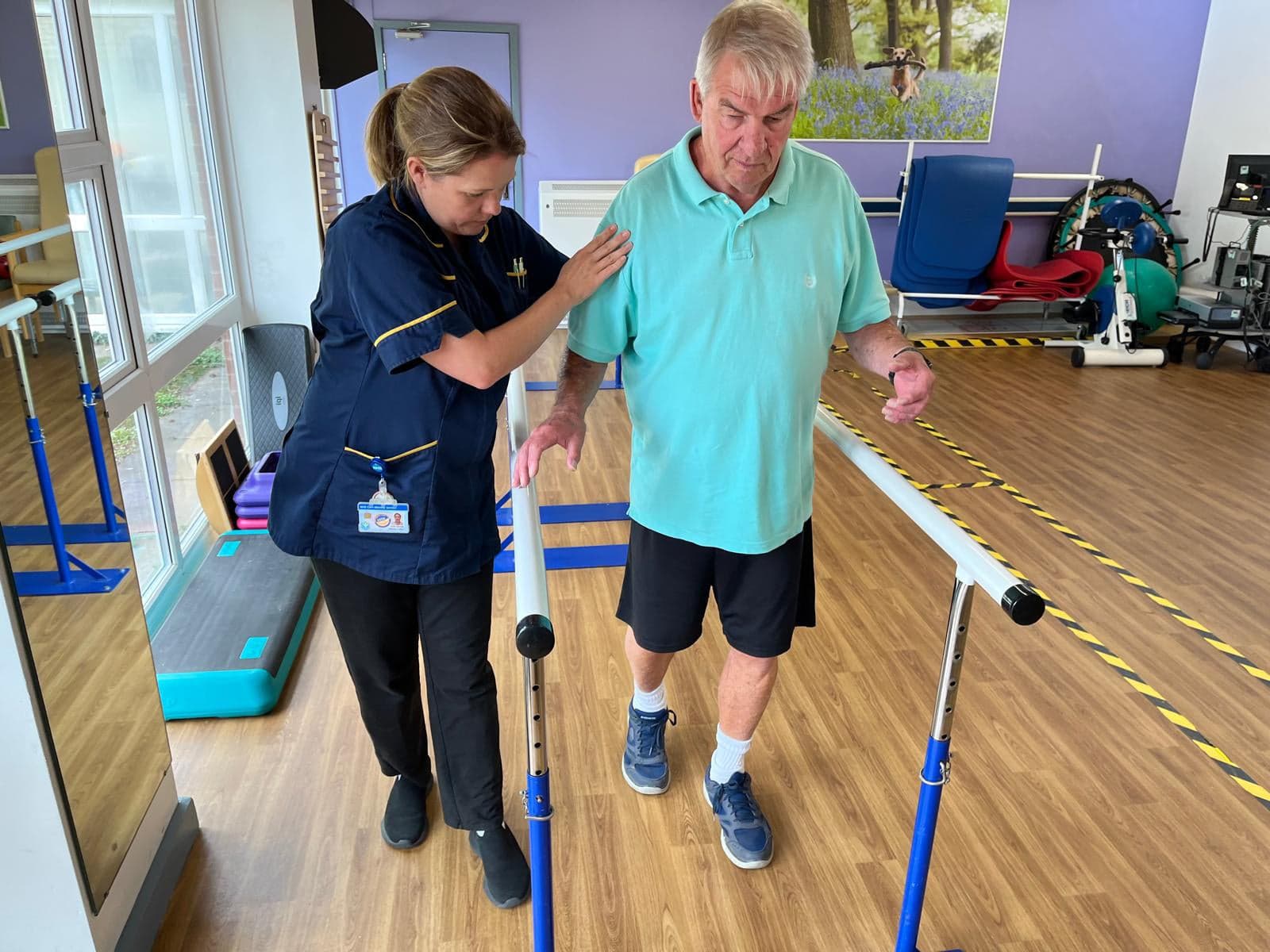
Nursing stands out as a field where AI is unlikely to take over completely. A 2024 study published in Women’s Health Nursing highlighted that AI struggles with complex human emotions and ethical decision-making. Researcher Hae-Kyung Jo noted, "No matter how advanced and intelligent AI becomes, it cannot replace the core aspect of nursing, which is the care that necessitates human emotions and judgments." Russell Twilligear, head of AI research at BlogBuster, added that nursing depends on real-world judgment, human trust, physical work, and accountability—areas where AI falls short.
Skilled Trades: Hands-On Expertise
Skilled trades, such as HVAC technicians, electricians, and plumbers, are another category deemed AI-resistant. These roles require hand-eye coordination, dexterity, and flexibility—skills that robots currently lack. All Trades Staffing Services explained, "Robots don’t have the required dexterity or motor controls for this kind of work." Julian Scadden, CEO of Nexstar Network, pointed out that private equity investment in trade businesses suggests confidence in the sector’s ability to weather AI’s impact.

Crisis Managers: Navigating Uncertainty
Crisis managers, who help companies handle unexpected events, are also considered AI-proof. Jan Hendrik von Ahlen, cofounder of Jobleads, stated, "AI can definitely assist each of these jobs but can't produce output equal to that of humans." Deloitte’s July 2025 report emphasized that AI tools can support crisis management by analyzing large datasets and drafting recommendations, but human oversight remains crucial.
While AI is expected to replace around 7% of the U.S. workforce by 2035, these careers highlight the enduring value of human skills and adaptability in an automated world.
- #ai
- #careers
- #jobsecurity
- #automation
- #workforce
Comments · 0