Why Young Talent is Ditching Degrees for Skills-Based Careers in the UK
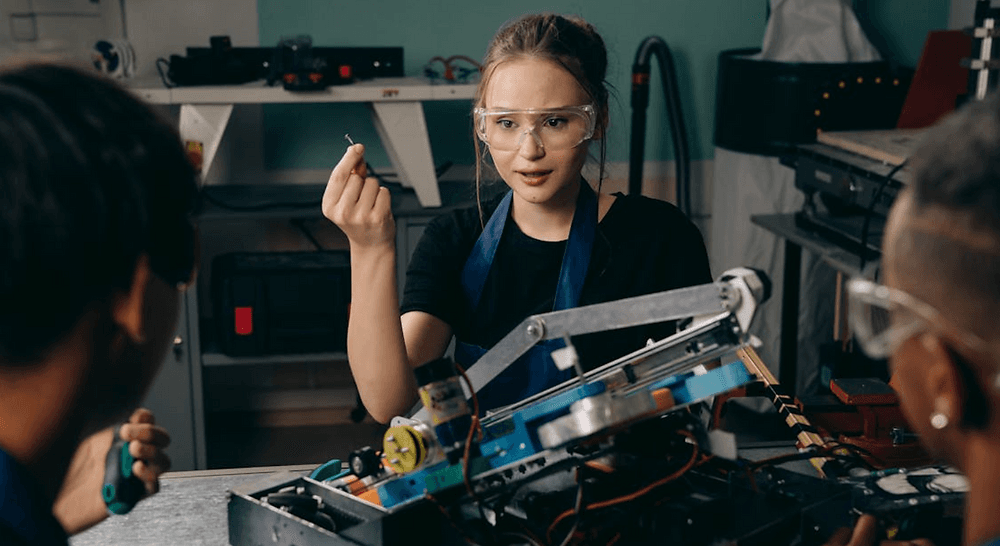
For years, a traditional degree was seen as the default path to a successful career. Now, a growing number of young people in the UK are opting for skill-based careers. Why is that? This article breaks down the key reasons.
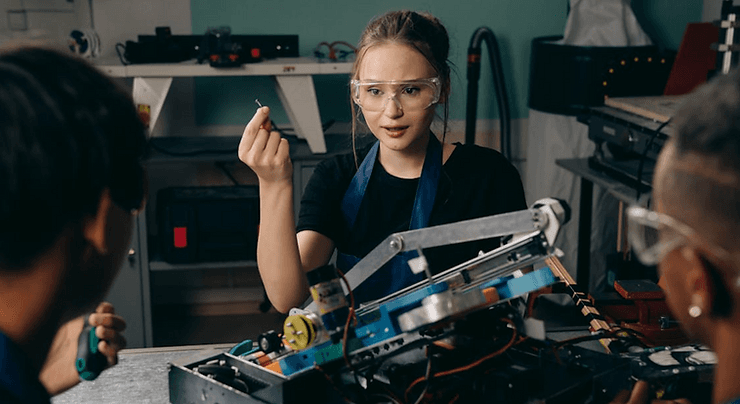
Rising Costs
Tuition fees, accommodation, and living expenses have all climbed steadily in the UK. Many students question whether the return on investment matches the cost. Graduating with debt while facing an uncertain job market feels like a heavy gamble.
At the same time, shorter, skill-focused programmes often cost less and take less time to complete. Students can enter the workforce earlier and begin earning sooner, which reduces financial pressure and builds independence.
Training for skill-based careers instead of traditional degrees typically means:
- Lower overall costs
- Shorter course durations
- Faster entry into work
- Reduced reliance on student loans
Practical advantages matter, but cost alone doesn't explain the whole picture. Employment prospects play an equally powerful role.
Employers Are Prioritising Actual Skills
In many UK industries, employers now focus less on where someone studied and more on what they can actually do. Real-world ability often carries more weight than a nicely-framed certificate.
Amid talent shortages in some sectors, skills-first hiring can widen opportunities for young workers. In competitive sectors such as tech and advanced manufacturing, organisations are increasingly searching for specific competencies rather than formal titles.
Industry-aligned certifications also strengthen this shift. A 2025 study published on arXiv analysed over 2.5 million job advertisements, showing how closely industry certifications align with employer skill requirements. When training maps directly onto live job listings, students can see a clearer connection between study and employment.

Faster Pathways
Speed matters when ambition is high and opportunities move quickly. Skill-based careers frequently offer accelerated routes into paid employment. Vocational institutions across the UK have reported strong growth in enrolment.
Entering the workforce earlier allows young people to build experience while their peers are still studying. Earning, learning on the job, and progressing internally can feel more dynamic than waiting several years for a degree to conclude.
Shorter pathways could include:
- Apprenticeships that combine earning and training
- Certificate programmes that last one to two years
Momentum can build quickly once experience accumulates. Early exposure to professional environments strengthens confidence and career clarity.
Clearer Links Between Training and Real Jobs
Many students have questioned how closely traditional academic programmes match day-to-day workplace demands. Skill-based training tends to focus on specific tasks, tools, and systems used in industry.
Programmes built around practical outcomes help learners visualise their future roles. Workshops, labs, and simulated workspaces mirror real settings, making the transition smoother.
Training with direct job alignment typically includes:
- Curriculum shaped by industry input
- Assessment based on applied tasks rather than theory alone
- Work placements embedded into the programme
Clarity reduces anxiety. When students see how each module connects to a specific role, motivation tends to rise.
Greater Flexibility
Careers no longer follow a straight line from graduation to retirement. Young professionals expect to pivot, upskill, and adapt across multiple roles. Skill-based education often supports this mindset through modular courses and stackable credentials.
Shorter programmes allow learners to update competencies without stepping away from work for years. Certifications can be added over time, creating a layered professional profile that evolves with industry demand.
Many programmes of career-focused institutions are structured around flexibility. Clear pathways and defined outcomes help applicants plan realistically around work, finances, and long-term goals.
Flexibility can show up in several ways:
- Part-time and accelerated study formats
- Industry-specific short courses
- Opportunities to upskill while employed
Adaptability has become a core career skill. Education models that mirror that flexibility feel more aligned with modern expectations.
The Desire for Meaningful Daily Work
Many young people want to see the impact of their efforts in real time. Skill-based careers often involve building, repairing, caring, or creating in ways that feel immediate and concrete.
Working in healthcare, construction, automotive technology, or technical services can provide visible outcomes at the end of each day. Practical contribution builds pride and a sense of usefulness that some purely academic paths struggle to deliver.
Meaning-driven choices often include:
- Roles that solve real-world problems directly
- Work environments with clear responsibilities and outcomes
- Opportunities to serve communities in visible ways
Skill-Based Careers Reflect a Changing Definition of Success
Traditional degrees still hold value, but they are no longer the only respected path. Skill-based careers offer speed, clarity, flexibility, and direct employability in a rapidly evolving UK labour market.
- #careerdevelopment
- #skillsbased
- #ukjobs
- #youngprofessionals
- #employability
Comments · 0