AI is Revolutionizing Data Center Careers: From Manual Tasks to Strategic Roles
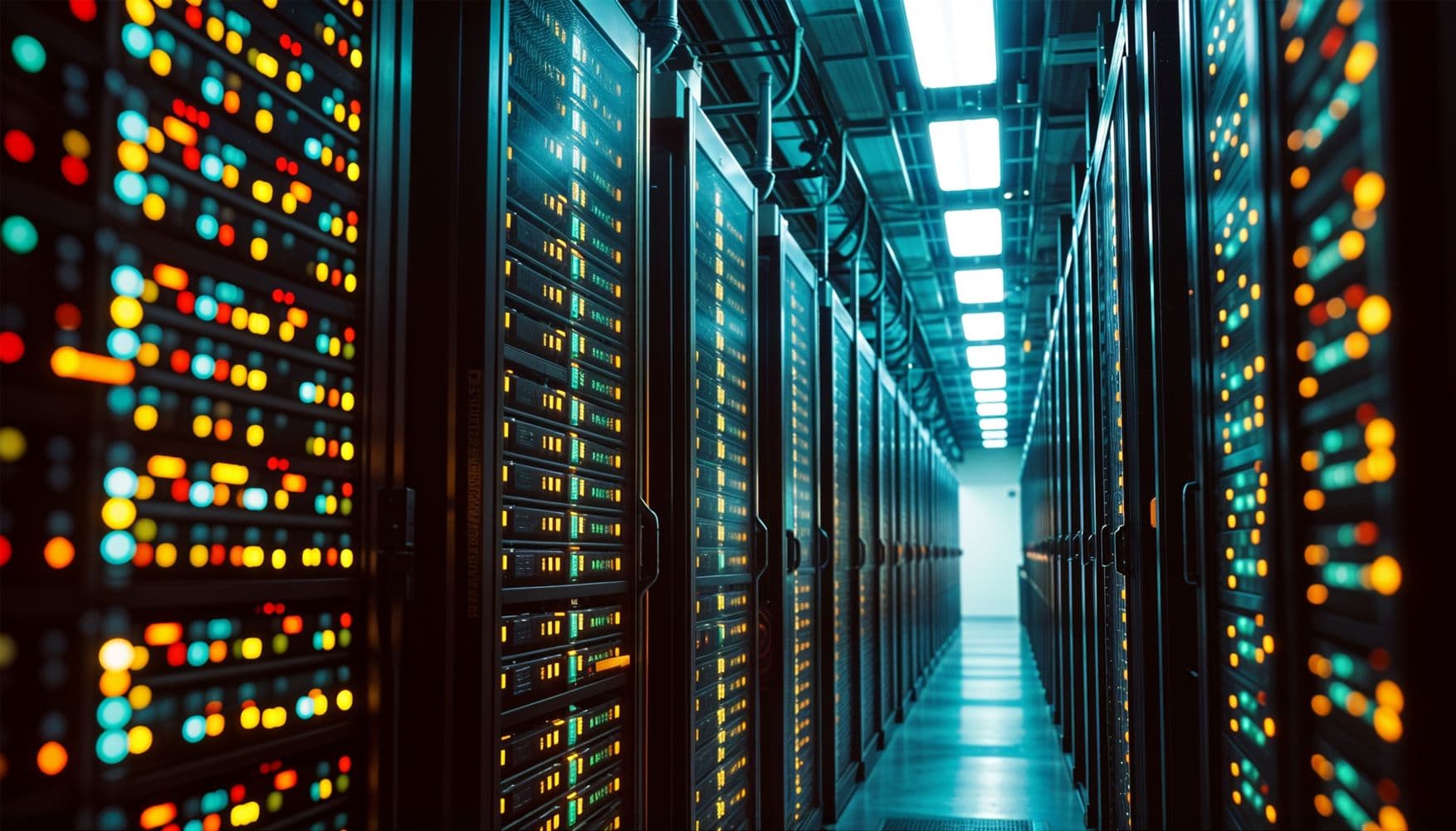
The AI-Driven Transformation of Data Center Jobs
Data centers are getting significant attention, largely driven by the growing demand for capacity and their insatiable appetite for electricity. While we hear a lot about the evolving technical dynamics, we rarely hear about how AI is impacting the roles needed to operate them.
It’s estimated that nearly half of all planned or under construction data centers lack sufficient workforce to complete and run them. This staffing crisis includes engineers who build and operate the systems, and AI experts who handle the evolving data and computing needs.
A common misunderstanding about data centers is the role of people, explains Julie Loucks, head of NA vertical strategy at tech staffing firm Experis. The flood of information from smart equipment and sensors needed for AI and automation has created a widespread need for pros who can interpret and act on that flood of data.
According to Loucks, “Data centers are long-term operating environments that depend on highly skilled talent across IT, digital operations and engineering. This talent remains hard to come by. Without a deliberate workforce strategy, even well-funded data center investments face operational risk. Sustainable growth in this industry is as much a talent challenge as it is a technical one.”
The Operational Shift AI is Driving
AI is accelerating a shift from manual monitoring to predictive and autonomous operations. If you previously focused on routine maintenance, you now need skills in AI oversight, data analysis, and integrating automated workflows, explains Thomas Prommer, global SVP of engineering at Adidas. AI-driven anomaly detection can reduce data center downtime by up to 40%, though human expertise remains essential to interpret and act on those insights.
“AI isn’t replacing data center jobs, it’s transforming them into higher-value roles that require both technical savvy and business insight. Data center pros are evolving into hybrid operators—part technician, part data scientist. The real change is with roles becoming more strategic and less reactive.”
Russell Twilligear, head of AI research at BlogBuster, agrees. He says AI is changing work more than it’s eliminating jobs. By reducing manual noise in areas like alerts, documentation, anomaly detection and log reviews, AI will likely result in fewer low-level data center jobs, but it also creates demand for people who can validate outputs and understand operational context.
How AI is Impacting Specific Data Center Jobs
Baris Zeren, CEO at Bookyourdata, points to the role of database administrator as a clear example. AI has automated many routine database maintenance tasks, including identifying slow running queries and proposing indexing optimizations. Monitoring and alerting are also increasingly automated. AI systems now detect anomalies in performance patterns and notify database administrators directly, removing the need to manually define thresholds.
In the past, monitoring required personnel to establish limits on CPU utilization or query response times. Database administrators then manually reviewed execution plans to diagnose performance issues. AI tools now identify problematic queries and suggest fixes automatically. This shift allows pros to focus on more complex activities, such as data architecture decisions and disaster recovery planning.
“Using AI, administrators will be notified whenever there’s a deviation from the typical system behavior. This gives them the ability to use a support layer rather than relying on manual oversight.” Zeren explains.
How to Make the Most of AI in Data Center Roles
Start with tools that assist with monitoring, documentation, and troubleshooting, says Siddardha, senior AI developer at MasTec Advanced Technologies. It’s equally important to learn how AI integrates with observability platforms and ticketing workflows. The biggest benefits come from reducing manual steps and accelerating decision-making. AI can summarize operational alerts and reduce manual review time, which helps teams respond faster to issues.
Twilligear offers specific guidance:
- System administrators: Use AI to draft scripts, check logs and find likely causes of issues.
- Network engineers: Use AI to help review configurations and identify patterns.
- NOC operators: Use AI to filter and prioritize alerts, and determine whether a situation is critical or routine.
Data center experience builds strong troubleshooting and reliability skills. These capabilities translate well into roles in cloud engineering, reliability engineering, security operations, and infrastructure architecture.
Putting AI to Work for You
Data center environments are demanding and high pressure. You must focus on becoming harder to replace than the tasks you perform. Learning automation, and developing the ability to validate AI outputs are critical. Understanding the business impact of downtime is also essential. Maintaining composure and thinking clearly when systems fail are equally important.
Building deep knowledge of the technology stack is essential, including both physical and digital systems. Knowing when to escalate issues and making sound decisions when systems fail are key differentiators.
Your focus should remain on automation, observability tools, and infrastructure design. Understanding how systems fail and how to prevent downtime is more valuable than simply adopting AI tools. The goal is to enhance systems, not create new bottlenecks.
Curiosity and continuous learning are also critical. The most successful IT pros are usually the ones who automate repetitive work and understand how different systems interact. Those who focus on reliability and efficiency will continue to stay valuable, even as tools evolve.
- #ai
- #datacenter
- #careerdevelopment
- #automation
- #techskills
Comments · 0